Hawthorn vs. Garlic vs. Hibiscus: Comparing the Most Popular Single-Ingredient Blood Pressure Botanicals

Quick Answer
Hawthorn, garlic, and hibiscus are the three most researched single-ingredient botanicals for cardiovascular wellness, but they work through different mechanisms: hawthorn supports blood vessel flexibility, garlic supports circulation, and hibiscus contributes antioxidant activity. None is definitively "best", each addresses a different piece of cardiovascular wellness, which is why many formulas combine multiple botanicals rather than relying on one.
Hawthorn: the traditional heart herb
What it is
Hawthorn (Crataegus species) is a flowering shrub whose leaf, flower, and berry have been used in traditional herbal medicine for cardiovascular support for centuries, particularly in European herbal traditions.
What the research focuses on
Hawthorn is naturally rich in flavonoids, plant compounds studied for their role in supporting healthy blood vessel function and circulation. It remains one of the most researched single botanicals in the cardiovascular wellness category, according to resources like the National Center for Complementary and Integrative Health.
Practical notes
Effects, like most botanicals, build gradually with consistent use. Standardization varies between brands, since flavonoid content depends on the plant part used and extraction method.
Garlic: the circulatory workhorse
What it is
Garlic (Allium sativum) is one of the most extensively studied botanicals in nutrition science generally, not just for cardiovascular wellness. Its supplement form is usually standardized to allicin content, the compound released when garlic is crushed.
What the research focuses on
Garlic's naturally occurring sulfur compounds have been studied for their role in supporting healthy circulation. It's a common single ingredient because of the sheer size of the existing research base compared to many other botanicals.
Practical notes
Garlic can interact with blood-thinning medications, which is worth discussing with your doctor before starting. Odor-controlled ("odorless") formulations are available for people sensitive to the smell.
Hibiscus: the antioxidant-rich favorite
What it is
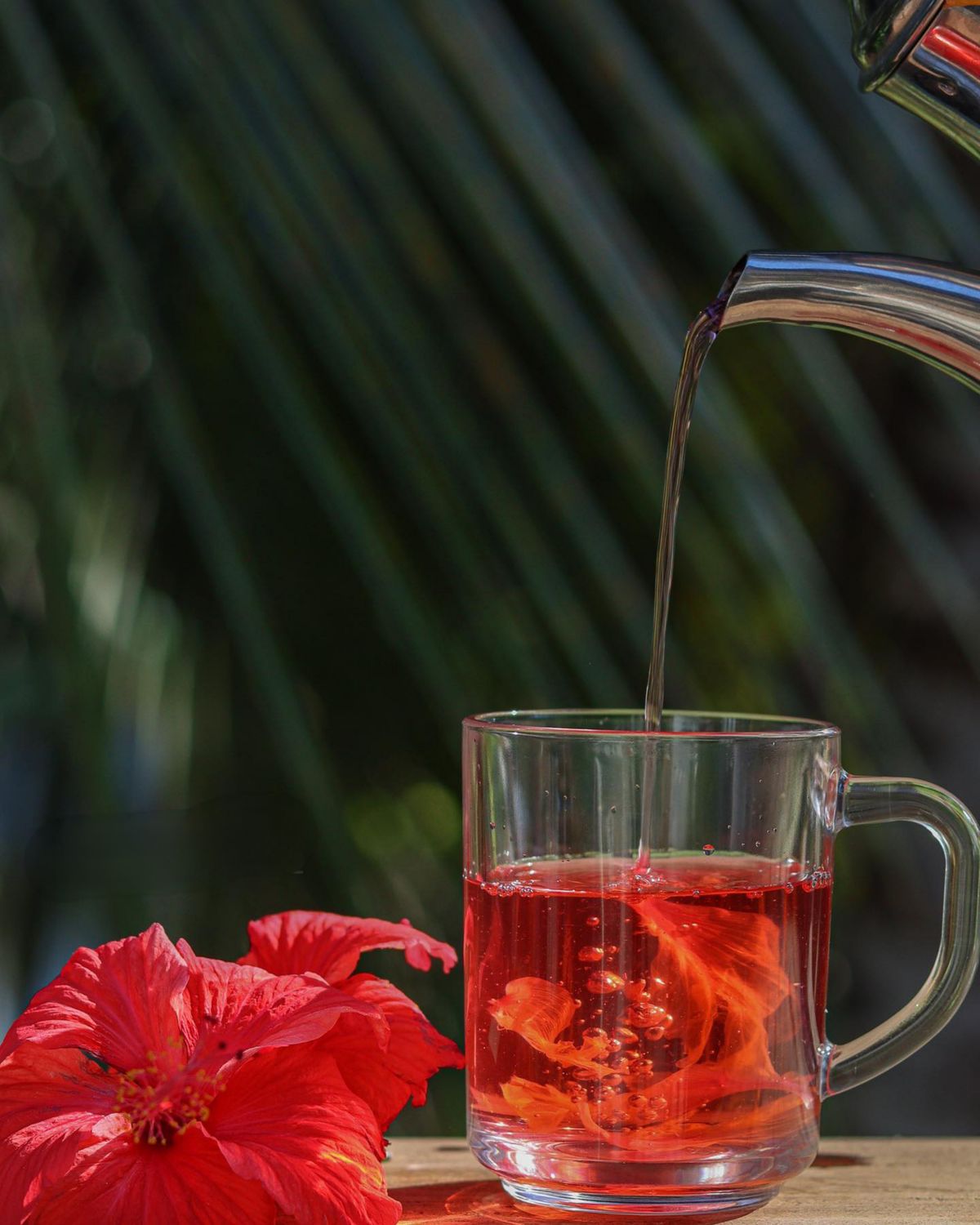
Hibiscus sabdariffa, the source of the tart red tea popular worldwide, has a long history as both a beverage and a traditional wellness botanical.
What the research focuses on
Hibiscus is studied largely for its polyphenol and antioxidant content, which researchers have examined for a supportive role in cardiovascular wellness. It's one of the more pleasant botanicals to incorporate daily, since it's consumed as an enjoyable beverage rather than a capsule.
Practical notes
Potency varies significantly by preparation. Steeping time, water temperature, and tea-to-water ratio all affect how much of the active compounds end up in your cup, which makes consistent dosing harder to achieve through tea alone compared to a standardized extract.
See All Three Combined in One Formula
PressureCalmX combines hawthorn, garlic, and hibiscus with five other botanicals plus B-vitamins
Read the Full ReviewSide-by-side comparison
| Botanical | Primary research focus | Format | Key consideration |
|---|---|---|---|
| Hawthorn | Blood vessel flexibility (flavonoids) | Capsule, tincture | Standardization varies by brand |
| Garlic | Circulatory support (sulfur compounds) | Capsule, odorless capsule | Can interact with blood thinners |
| Hibiscus | Antioxidant activity (polyphenols) | Tea, capsule, extract | Tea potency varies by preparation |
Which should you choose?
My honest answer: it depends on what you're optimizing for. If you enjoy a daily tea ritual and want something enjoyable to incorporate into your routine, hibiscus is the most pleasant entry point. If you're focused specifically on circulatory support and don't take blood thinners, garlic has the largest research base behind it. If you're drawn to traditional herbal approaches to heart wellness specifically, hawthorn has the longest track record.
But the more useful question probably isn't which single one to pick. It's whether you need to pick just one at all. We go deeper into that question here, including how formulas that combine several botanicals like these three are built. Our independent review of PressureCalmX looks at one such formula that puts hawthorn, garlic, and hibiscus together alongside five other botanicals, if you want to see how the combination plays out in practice.
Safety and interactions
All three botanicals are generally well tolerated when used as directed, but each carries specific considerations. Garlic and hawthorn both have documented interactions with certain medications, including blood thinners and some heart medications. Hibiscus may interact with certain blood pressure medications and diabetes medications in some studies. None of the three should be started without a conversation with your healthcare provider if you take any prescription medication, and none should be used as a replacement for prescribed treatment.
Frequently asked questions
Which is better for blood pressure: hawthorn, garlic, or hibiscus?
None of the three is universally "better", each has a different mechanism and research base. Hawthorn is studied for blood vessel flexibility, garlic for circulatory support, and hibiscus for antioxidant activity. Many formulas combine all three, along with other botanicals, rather than relying on just one.
How much hibiscus tea should I drink for blood pressure support?
There is no medically established dose because hibiscus tea potency varies by preparation. Some studies have used around 2-3 cups per day. Talk to your doctor before making hibiscus tea a regular habit, especially if you take medication.
Does garlic interact with blood pressure medication?
Garlic, particularly in supplement form, can interact with blood-thinning medications like warfarin and may have additive effects with some antihypertensive drugs. Always consult your healthcare provider before adding garlic supplements if you take medication.
Is hawthorn safe to take daily?
Hawthorn has a long history of traditional use and is generally well tolerated, but it can interact with certain heart medications, including digoxin and some blood pressure drugs. Consult your healthcare provider before daily use, especially if you take cardiac medications.
Can I combine hawthorn, garlic, and hibiscus together?
Some multi-botanical supplements combine these and other researched ingredients in a single formula, based on the idea that they support different aspects of cardiovascular wellness. Always review any combination supplement's full ingredient list with your healthcare provider, particularly if you take medication.