What Does a Blood Pressure of 140/90 Mean?

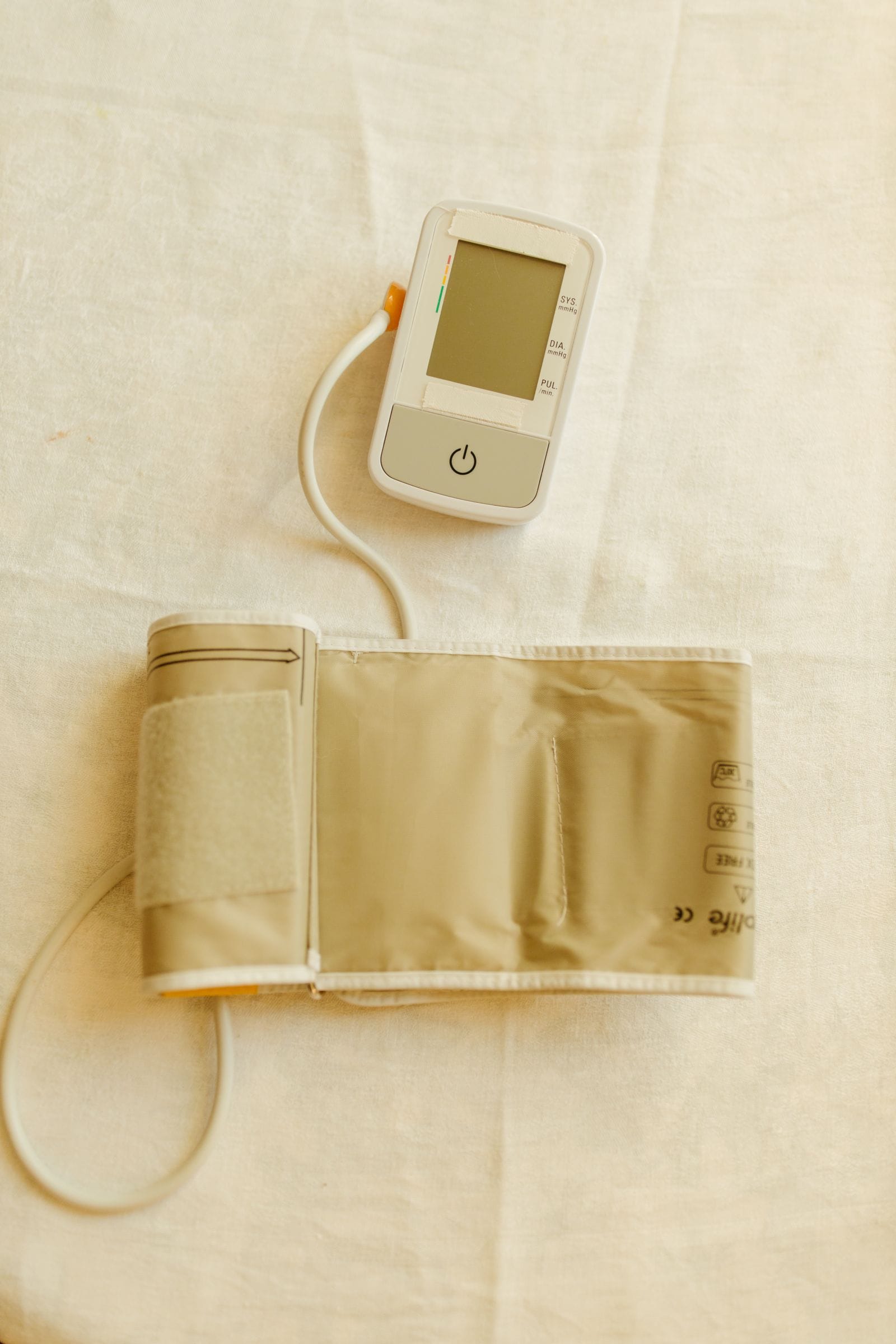
Quick Answer
A blood pressure of 140/90 mm Hg is the entry point for stage 2 hypertension under the American Heart Association guidelines. One reading at that level is not an emergency, and it can be thrown off by simple measurement errors. But if your average stays at or above 140/90 across several correctly taken readings on different days, that is a level most doctors treat, usually with lifestyle changes and often medicine. Recheck it properly, keep a log for a week or two, and book a visit. A reading only becomes a 911 emergency when it is above 180/120 and comes with symptoms like chest pain, breathlessness, vision changes, weakness, or trouble speaking.
What the two numbers actually measure
Blood pressure is written as one number over another because it is really two measurements taken at once.
The top number is systolic pressure: the push against your artery walls each time the heart contracts and sends out a pulse of blood. The bottom number is diastolic pressure: the lower, resting pressure in those same arteries in the split second between beats, while the heart refills. So 140/90 means a systolic pressure of 140 and a diastolic pressure of 90, both measured in millimeters of mercury (mm Hg), a unit that stuck around from the old mercury column gauges.
Both numbers carry information. For decades the diastolic number got most of the attention. Current thinking, backed by large population studies, is that in adults over about 50 the systolic number is the stronger predictor of stroke and heart attack, because arteries naturally stiffen with age and systolic pressure keeps climbing while diastolic often levels off or falls.
Where 140/90 falls on the chart
The American Heart Association and American College of Cardiology use these categories for adults:
| Category | Systolic (top) | Diastolic (bottom) | |
|---|---|---|---|
| Normal | Below 120 | and | Below 80 |
| Elevated | 120–129 | and | Below 80 |
| Stage 1 hypertension | 130–139 | or | 80–89 |
| Stage 2 hypertension | 140 or higher | or | 90 or higher |
| Hypertensive crisis | Above 180 | and/or | Above 120 |
So 140/90 sits right at the bottom edge of stage 2. The word "or" in that row matters: you only need one of the two numbers to reach the threshold. A reading of 142/78 is stage 2 on the systolic number alone. A reading of 136/92 is stage 2 on the diastolic number alone.
Stage 2 is not a crisis category. It is the level at which guidelines say the benefit of treatment clearly outweighs the downside for most people, usually meaning lifestyle changes plus blood pressure medication, with the target and the choice of drug tailored to your age and other conditions.
What 150/100, 130/80 and 120/80 mean
- 150/100: still stage 2, one clear step above 140/90. Not an automatic emergency, but a firmer signal to be seen promptly. Sustained readings here carry a meaningfully higher long-term risk of stroke, heart attack, heart failure, and kidney damage.
- 130/80: stage 1 hypertension. For many people this is managed first with lifestyle changes, with medication added if there is existing heart disease, diabetes, kidney disease, or a high estimated cardiovascular risk.
- 120/80: the top of normal on the systolic side, but the "80" makes it technically "elevated" rather than fully normal. It is a fine number to keep an eye on, not one to worry about.
- 160/100 to 180/110: well inside stage 2. Not the crisis category, but the higher end of it. Worth a same-week appointment, sooner if it keeps rising.
When a reading is an emergency
If the reading is above 180/120 but you feel completely well, it is still urgent: rest quietly for five minutes and re-measure, and if it stays that high, contact your doctor the same day or go to an urgent care. A reading of 140/90, or even 150/100, without symptoms is not in this territory. It is a "make an appointment" number, not a "go to the ER tonight" number. If you are ever genuinely unsure which side of that line you are on, treat it as the emergency. Our article on the subtle symptoms of high blood pressure goes through the warning signs in more detail.
Why one reading of 140/90 might be wrong
In the clinic I saw readings jump 15 or 20 points from one measurement to the next for reasons that had nothing to do with the person's actual blood pressure. Before you take a single 140/90 to heart, rule out the common causes of a falsely high number:
- A full bladder (can add 10–15 mm Hg)
- Talking or being talked to during the measurement
- The wrong cuff size, most often a cuff that is too small
- An arm left dangling instead of supported at heart height
- Back or feet unsupported, or legs crossed
- Caffeine, nicotine, or exercise in the previous 30 minutes
- Measuring straight after rushing in the door, without sitting quietly first
A hypertension diagnosis is based on the average of several readings taken correctly, on at least two different occasions, not one number on one day. If 140/90 shows up once, that is a reason to measure carefully over the next week, not a reason to panic.
Does it change after 60?
The category thresholds are the same at every adult age: 140/90 is stage 2 whether you are 35 or 75. What often changes with age is the pattern. Many older adults develop isolated systolic hypertension, where the top number runs high (say 150) while the bottom number stays normal or even low (say 70). That still counts and still raises risk; a wide gap between the two numbers is itself a sign of stiffer arteries.
Blood pressure targets for people over 65, especially those who are frail or take several medications, are sometimes set a little higher by the treating doctor to avoid dizziness and falls. That is an individual decision made with your clinician, not something to assume from a chart.
What to do next
- Recheck it properly. Sit with your back supported and feet flat for five quiet minutes. Bare arm resting at heart height. No talking. Take two readings a minute apart, morning and evening, for a week.
- Write every reading down, with the date and time. A pattern is far more useful to a doctor than a single number.
- Book a visit within one to two weeks if the average stays at or above 140/90. Bring the log.
- Start the lifestyle basics now rather than waiting for the appointment: less sodium, more potassium-rich vegetables and fruit, regular movement, limiting alcohol, and better sleep. Our guide to lowering blood pressure without medication covers what actually moves the number and by how much.
- Do not stop or change any prescribed medication based on a home reading without talking to the prescriber.
If your reading is in the borderline zone rather than clearly stage 2, our article on borderline high blood pressure walks through the months before medication is usually considered.
On daily cardiovascular support
Some readers ask what role a supplement plays alongside diet and monitoring. See our independent review of a multi-botanical formula built for daily cardiovascular support.
Read Our Independent ReviewFrequently asked questions
Is a blood pressure of 140/90 high?
Yes. Under the American Heart Association guidelines, 140/90 mm Hg is the threshold for stage 2 hypertension. A single reading at that level is not an emergency, but readings that stay at or above 140/90 over several days or weeks generally mean treatment, which may include lifestyle changes and medication, should be discussed with a doctor.
What is the difference between the top and bottom blood pressure numbers?
The top number, systolic pressure, is the pressure in your arteries when your heart beats. The bottom number, diastolic pressure, is the pressure between beats when the heart is resting. Both matter, but after about age 50 the systolic number is the stronger predictor of cardiovascular risk.
Is 140/90 a medical emergency?
No. A hypertensive emergency is a reading above 180/120 mm Hg together with symptoms such as chest pain, shortness of breath, vision changes, weakness, or trouble speaking. A reading of 140/90 without those symptoms is not a 911 situation, but it should be rechecked and followed up with a doctor within a week or two.
What does a blood pressure of 150/100 mean?
150/100 mm Hg is also within the stage 2 hypertension range, a step higher than 140/90. It is still not an automatic emergency on its own, but it is a clear signal to have blood pressure evaluated promptly, since sustained readings at this level carry a higher risk of stroke, heart attack, and kidney damage over time.
Can one high reading of 140/90 be wrong?
A single reading can be affected by a full bladder, talking, a wrong cuff size, an unsupported arm or back, crossed legs, caffeine, or stress. Diagnosis is based on the average of several readings taken correctly on different days, not one number. If 140/90 shows up once, recheck it properly over the next week before drawing conclusions.
How quickly should I see a doctor for a 140/90 reading?
If you have no symptoms, schedule a visit within one to two weeks and bring a log of home readings. Seek care the same day if the reading climbs above 180/120, or immediately by calling 911 if a very high reading comes with chest pain, breathlessness, vision changes, numbness, or difficulty speaking.
Sources & References
- American Heart Association. "Understanding Blood Pressure Readings." heart.org
- American Heart Association. "When to Call 911 About High Blood Pressure (Hypertensive Crisis)." heart.org
- Centers for Disease Control and Prevention. "About High Blood Pressure." cdc.gov
- Mayo Clinic. "Blood pressure chart: What your reading means." mayoclinic.org