Blood Pressure Spikes During Sleep: What They Mean

Quick Answer
Blood pressure is not steady while you sleep. In people with obstructive sleep apnea, it surges every time breathing pauses, rising on average about 19 mmHg systolic within seconds of the pause and, in severe cases, spiking far higher. This can happen dozens or hundreds of times a night. You will not feel these surges and a home monitor cannot catch them, because they last seconds and happen while you are asleep. A smartwatch cannot reliably measure them either. What matters is not any single surge but the pattern: repeated surges are linked to blood pressure that stays high across the whole night, which raises the risk of stroke, heart failure, and kidney damage. The surges are found with a sleep study plus 24-hour ambulatory monitoring, and treating the underlying apnea often calms them down.
Blood pressure is not steady during sleep
It is easy to picture blood pressure settling to a flat, low line once you fall asleep. In a healthy night it does drift down, reaching its lowest point of the 24-hour cycle. But even then it rises and falls with the stages of sleep, climbing a little during dreaming (REM) sleep and with each brief arousal.
In some people those normal fluctuations are replaced by something sharper: repeated, steep surges tied to breathing. That is the pattern this article is about. It is different from waking up to a single high reading, which is the surge you happen to catch, and different again from nocturnal hypertension, which is pressure that stays high all night. Frequent surges during sleep are often the mechanism that produces that sustained high nighttime pressure.
Why sleep apnea drives the surges
The single biggest cause of blood pressure surges during sleep is obstructive sleep apnea. The mechanism is consistent and well described:
- The airway briefly collapses and breathing stops for several seconds up to a minute.
- Oxygen in the blood falls and carbon dioxide rises.
- The brain senses this and fires the sympathetic ("fight or flight") nervous system to force a breath, usually with a gasp or snort.
- That burst of nervous system activity, plus the arousal from sleep, sends blood pressure sharply upward, peaking a few seconds after breathing resumes.
- Pressure settles, sleep resumes, and the cycle repeats, sometimes hundreds of times a night in severe apnea.
The Sleep Foundation describes this repeated surge-and-settle cycle as one of the main reasons sleep apnea and high blood pressure are so tightly linked, and why blood pressure in people with apnea is often concentrated at night and harder to control with medication alone.
Other things add smaller surges on top: the brief arousals that fragment sleep even without a full apnea, vivid dreams or nightmares that produce a real adrenaline response, alcohol as the body clears it over the night, and a once-daily blood pressure pill whose effect has faded by the early morning hours.
How big the surges get
Researchers have measured this directly using continuous, beat-to-beat monitoring during sleep studies. In a 2023 analysis of sleep apnea patients, obstructive breathing events raised systolic pressure by about 19 mmHg and diastolic pressure by about 11 mmHg on average, compared with values during wakefulness, with the peak arriving roughly 9 seconds after the pause ended. Surges were larger when oxygen dropped further during the pause.
Those are averages. A review of hypertension in sleep apnea notes that in severe cases, the post-apnea surge can reach as high as 240/130 mmHg for a few seconds before settling. A reading like that, sustained, would be a hypertensive emergency. As a brief surge it is not, but hundreds of them a night is a real load on the arteries, heart, and kidneys.
Why you cannot see them at home
A standard home blood pressure monitor takes a single reading over about 30 to 45 seconds. It cannot capture something that spikes and settles in under 15 seconds, and it certainly cannot do it repeatedly through the night while you are asleep. A reading you get up to take reflects being awake and upright, not your pressure during sleep.
This is why a normal morning home reading does not rule the pattern out. Someone can have a reassuring 122/78 at 7 a.m. and still have had dozens of surges above 180 overnight from untreated apnea.
What about smartwatches and rings?
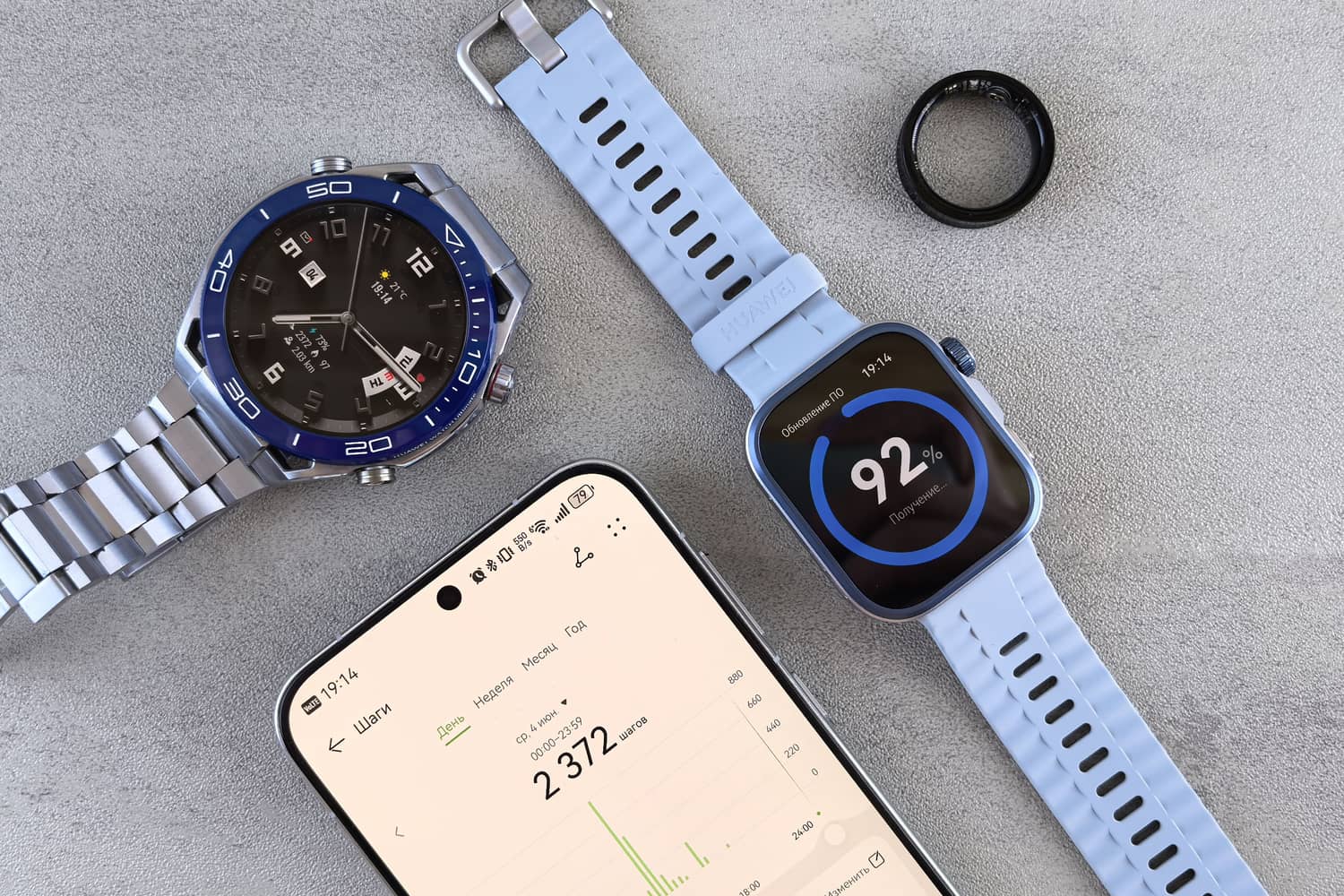
Many wearables now advertise blood pressure or "cardiovascular load" features, and some show an overnight blood pressure trend. Treat these as interesting, not diagnostic.
Where a wearable can genuinely help is with the upstream clue: many track breathing disruptions, blood oxygen dips, and restless sleep. If your watch or ring keeps flagging low overnight oxygen or frequent disturbances, that is a reasonable prompt to ask your doctor about a real sleep study.
Why it matters, and how it is diagnosed
One surge on one night is not a health event. A nightly pattern is, because repeated surges are one of the main ways untreated sleep apnea produces sustained high nighttime blood pressure, which the American Heart Association links to greater risk of stroke, heart failure, and heart disease.
Two tests answer the question, and both are ordered by a doctor:
- A sleep study (home or in-lab) to check for obstructive sleep apnea and measure how often breathing is disrupted and how far oxygen falls.
- 24-hour ambulatory blood pressure monitoring to measure your average nighttime pressure and how much it drops during sleep. A nighttime average of 120/70 mmHg or higher counts as high, per the 2023 European Society of Hypertension guidelines.
If apnea is found and treated, often with CPAP, the nighttime surges usually calm and the overnight blood pressure tends to improve. That is the practical reason to chase this down rather than live with it: the main cause is treatable.
If you often wake during the night and want to know whether to check at all, see what causes blood pressure to spike at night. For the sustained-pattern picture, our explainer on whether nocturnal hypertension is dangerous covers the long-term risk.
Supporting Healthy Blood Pressure as Part of a Daily Routine?
See our independent editorial review of a multi-botanical cardiovascular support formula, including who it is and isn't designed for.
Read Our Independent ReviewFrequently asked questions
What causes blood pressure to spike during sleep?
The most common cause by far is obstructive sleep apnea. Each time breathing pauses, oxygen falls and the nervous system fires to restart it, which pushes blood pressure sharply upward within seconds. Other contributors are the brief arousals that break up sleep, vivid dreams or nightmares, alcohol clearing the system, and a blood pressure medication that has worn off by the early morning.
How high can blood pressure go during a sleep apnea episode?
In studies using continuous monitoring, obstructive breathing events raised systolic pressure by about 19 mmHg and diastolic pressure by about 11 mmHg on average, peaking roughly 9 seconds after the pause. In severe cases, review articles describe post-apnea surges reaching as high as 240/130 mmHg. The surges are larger when oxygen drops further during the pause.
Can I detect blood pressure spikes during sleep at home?
Not really. A standard home monitor takes one reading at a time, so it cannot catch surges that last seconds and happen while you are asleep. A reading you get up to take in the night reflects being awake, not your pressure during sleep. The surges are only visible with continuous or repeated automated monitoring done as part of a medical test.
Are blood pressure spikes during sleep dangerous?
Repeated surges night after night are linked to sustained high nighttime blood pressure, which raises the risk of stroke, heart failure, and kidney damage. A one-off surge is not an emergency, but a pattern driven by untreated sleep apnea is worth taking seriously because the apnea itself is treatable and treating it often improves the nighttime pressure.
Can a smartwatch measure blood pressure during sleep?
Not reliably. As of 2025, there is no convincing evidence that cuffless smartwatch or ring blood pressure technology is accurate enough for clinical use, and hypertension guidelines do not recommend relying on it. A watch reading of your overnight blood pressure should not be used to diagnose or rule out a problem.
How are sleep-related blood pressure spikes diagnosed?
With a sleep study, at home or in a lab, if sleep apnea is suspected, and with 24-hour ambulatory blood pressure monitoring to measure the average nighttime pressure and how much it falls during sleep. A doctor orders both. Together they show whether the surges are frequent enough, and the overnight pressure high enough, to need treatment.